
Solar Financing With No Money Down: What Pennsylvania Homeowners Should Compare Before Signing
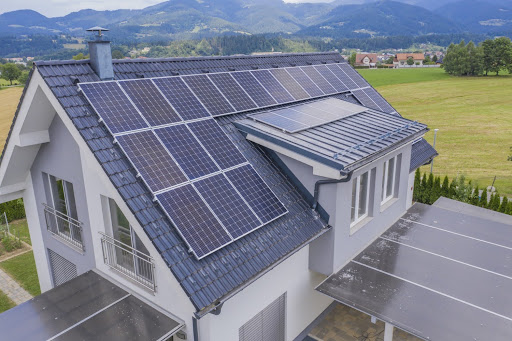
Solar financing is a way to pay for a solar system over time instead of in one upfront payment. The main options are a solar loan, a lease, or a power purchase agreement (PPA). With a loan or cash purchase, you own the system; with a lease or PPA, a third party does. Down payment requirements vary by lender and product.
A solar quote is usually one of the larger numbers a homeowner sees attached to their property, and it’s often the moment the project stalls. Not because the savings don’t make sense, but because the payment structure isn’t clear. Most people who search for solar financing with no money down aren’t looking for a trick. They want to know whether they can start generating their own power without emptying a savings account first.
In many cases you can, and the way we usually recommend doing it is a solar loan with little or no money down, so you own the system from day one. “No money down” is a feature of specific loan products, not a promise that comes with going solar. What you pay each month, who owns the system, and what happens if you sell your home all depend on the structure you choose. Here’s how we walk homeowners through it at Trifecta Solar.
What Is Solar Financing, And How Does It Work?
Solar financing spreads the cost of a system across monthly payments. You pay a lender or provider over time while the system produces electricity from day one, so a portion of your utility bill is replaced by the payment.
The question that matters most is who owns the system at the end. Ownership determines who receives incentives, who is responsible for the equipment, and whether the system adds to or complicates the value of your home. We’re an ownership-first installer, so we start there.
The Four Ways To Pay For A Solar System
| Option | Who owns the system | How you pay | What to check |
| Cash purchase | You | One upfront payment | Opportunity cost of the cash; no interest |
| Solar loan | You | Fixed monthly payments over the loan term | Interest rate, fees, term, down payment requirement |
| Lease | The leasing company | Monthly lease payment | You don’t own the system or keep SREC income, payments may rise each year, and the lease has to be transferred or bought out if you sell |
| PPA | The PPA provider | A per-kWh rate for the power produced | The annual price escalator, which often outpaces utility rates, plus a 20- to 25-year term and sale complications. We generally advise against PPAs. |
A home equity loan or line of credit is another way some homeowners fund a project. It works like any other home-secured loan, so its terms and risks are separate from solar-specific products.
Why Ownership Changes The Math
With a loan or cash purchase, the system is your asset. Any benefits that go to owners, such as SREC income for eligible Pennsylvania systems, are yours, and once the loan is paid off, the power your system produces is essentially free for the rest of its life.
With a lease or PPA, the provider owns the equipment and keeps the benefits tied to ownership, including the SREC income the system generates. Some contracts raise the payment every year, and a filing against the property may be part of the arrangement. It’s the difference between buying and renting, and for most homeowners, buying comes out well ahead.
A Word Of Caution On Leases
A lease can lower the cost of getting started, but it comes with real tradeoffs. You never own the system, so SREC income and other ownership benefits stay with the leasing company, and many leases build in yearly payment increases. If you sell your home, the buyer usually has to qualify to take over the lease, or you may need to buy it out, which can add a step to the sale. One exception worth knowing about is a short-term pre-paid lease, which you pay up front, often with a loan, and which returns ownership to you after a few years. It can work in some customers’ favor, so ask us whether it fits your project.
Why We Steer Homeowners Away From PPAs
A PPA is the option we warn people about most. Think about what you’re actually agreeing to: a company installs equipment it owns on your roof, sells you the power it makes, and you’re contractually locked in to buying from them for 20 to 25 years. In other words, someone else is running a business from your roof, you have no say in how it’s run, and you can’t walk away. On top of that, the price per kilowatt-hour usually climbs by a fixed escalator every year, typically somewhere between 2.5 and 5 percent, often outpacing utility rate increases. The early years can look like a bargain, but because that escalator compounds year after year, the price in the second half of the contract can end up higher than what the utility charges, and the savings you signed up for disappear. You never own the system, you get none of the ownership benefits, and when you sell your home, your buyer has to qualify for and agree to take over the contract. For nearly every homeowner, a solar loan is the better path.
How Low Can The Down Payment Go?
It depends on the lender and product. Some solar loans are structured with little or no money down, while others require a percentage of the project cost. Your credit profile, the loan term, the interest rate, and the size of the system all affect what you’re offered.
A simple way to test whether a payment works is to compare it against the bills it replaces. This is a hypothetical example, not a Trifecta quote: if your bills average $200 a month and the system is designed to offset most of that, a $150 monthly loan payment means you’re paying less each month than you were, while building equity in the system. If the payment is higher than the bill it replaces, the math depends on rising utility rates and the system’s long-term production, and you should see that stated plainly in the proposal.
Two other levers are worth knowing. You can put some cash down to lower the loan amount and the payment, and you can choose a longer term to reduce the monthly figure, though a longer term generally means more total interest.
What About Incentives?
Incentives change over time, so check current rules before building a budget around them. The federal Residential Clean Energy Credit is no longer available for home systems installed after December 31, 2025, so don’t plan on a federal tax credit for a home system. Eligible Pennsylvania owners can still benefit from net metering and earn and sell Solar Renewable Energy Credits (SRECs), and both are benefits you keep only when you own the system.
State, utility, and local solar incentives may have separate eligibility requirements, deadlines, and availability. Ask your solar installer which incentives, if any, currently apply to your project, and consult a qualified tax professional before relying on a tax credit when planning your solar investment.
What To Gather And Compare Before You Sign
Bring these to your consultation so the proposal reflects your real numbers:
- Twelve months of electric bills, so the system is sized to your actual usage rather than an average
- Your plans for the home: how long you expect to stay, and whether a roof replacement is coming
- Your budget for a monthly payment, and how much cash you’d be comfortable putting down, if any
Then compare offers on the same terms:
- APR (not just the monthly payment), any origination or dealer fees, and total cost over the full term
- Loan term and whether the rate is fixed
- Prepayment terms, if you want to pay it off early
- For a lease or PPA: the annual escalator, what the price will be in the final years of the contract, the contract length, and what happens when you sell
- Who holds the equipment and workmanship warranties, and how monitoring is handled
How We Help At Trifecta Solar
We start with your bills and your property, not a financing pitch. Once we know what system fits your roof or land and what it should produce, we lay out the ownership and payment options in plain terms so you can compare them against your bills. If your bank or credit union doesn’t offer competitive solar loan rates, we can recommend local banks that may be able to help, and we also work with Atmos Financial. You can read more on our solar financing page. When you’re ready, contact us to request a solar assessment and see what a system for your home would look like.
FAQ
What happens to my solar financing if I sell my home?
With a loan, the balance is generally paid off at closing, or the loan is transferred if the lender allows it. With a lease or PPA, the buyer usually has to qualify to take over the contract, or you may need to buy it out. A PPA with years of escalator increases ahead can be a hard sell to a buyer, which is one more reason we favor ownership.
Can I finance only part of the system?
Often, yes. Paying a portion in cash and financing the rest lowers your monthly payment and total interest. Whether that makes sense depends on the rate you’re offered and what else you’d do with the cash.
Is the monthly payment fixed for the whole term?
Loans are commonly fixed-rate, but confirm that in the loan documents. Leases and PPAs often include annual increases, so ask for the year-by-year schedule and look closely at the last ten years of a PPA, which is where the price usually passes the utility’s.
What if my credit isn’t strong?
Requirements vary by lender, and a lower credit profile can mean a higher rate or a required down payment. Comparing more than one offer, or putting more cash down, may change what’s available to you.