
Roof, Ground or Tracker: Where Should Your Panels Go?
The first decision with any solar installation is where the panels go. We look at your property, your roof, your shade and how you use power, then recommend the setup that fits your home or business. We install across 16 counties in south-central and southeastern Pennsylvania, from our shop in Manheim, Lancaster County.
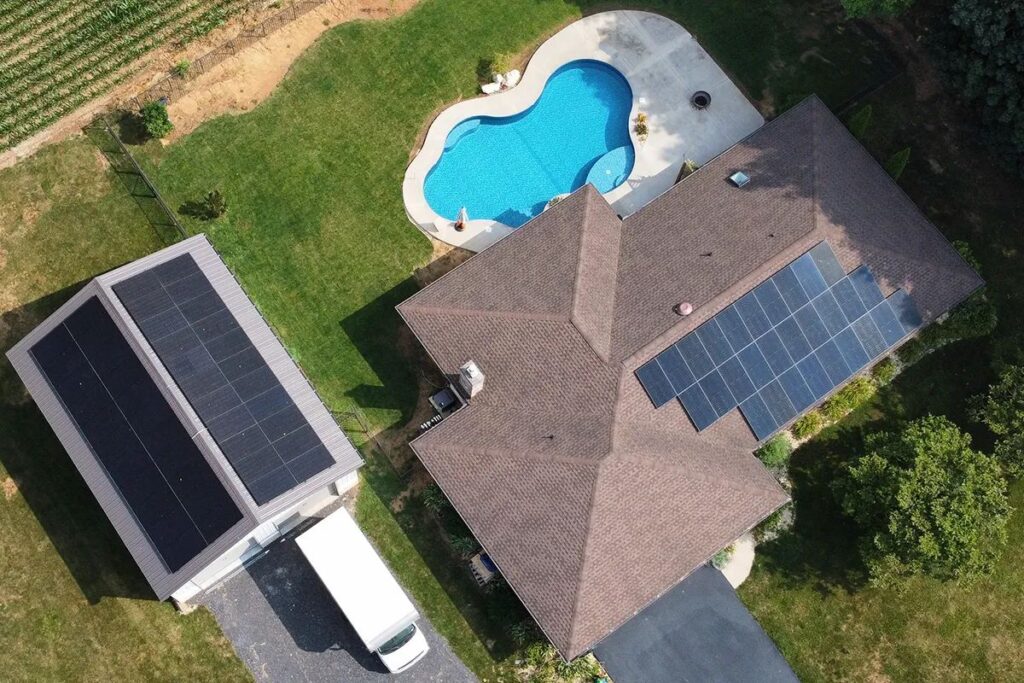
- Roof-mounted solar: usually the simplest and lowest-cost option when the roof is in good shape and gets good sun. We attach to shingle roofs with sealed mounts, and to metal roofs at the seams, ribs or purlins.
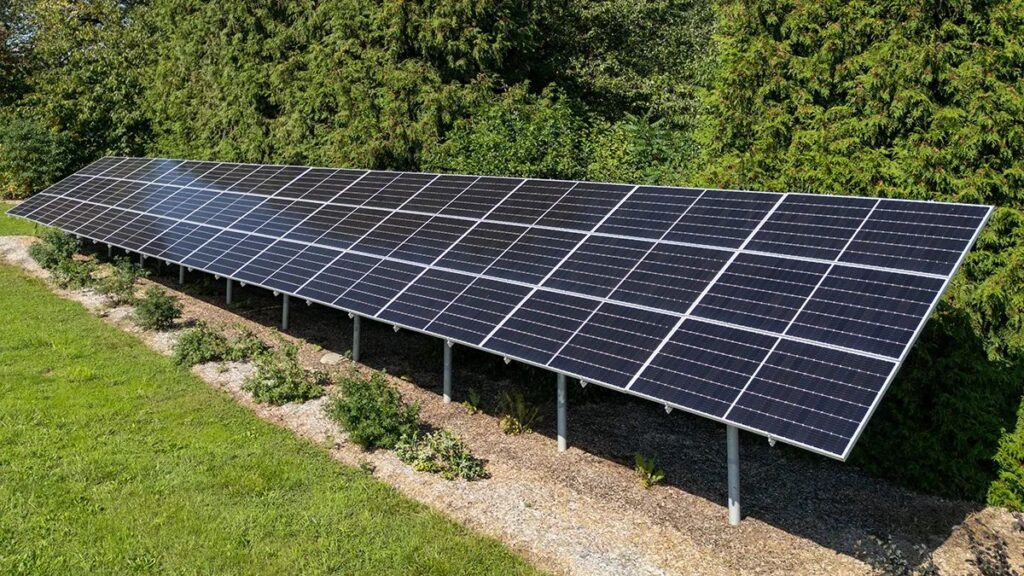
- Ground-mounted solar: a good fit when the roof is shaded, small or older, or when you need a bigger system for a farm or business. Around here we normally anchor them with ground screws, and we can face them due south at the ideal tilt.
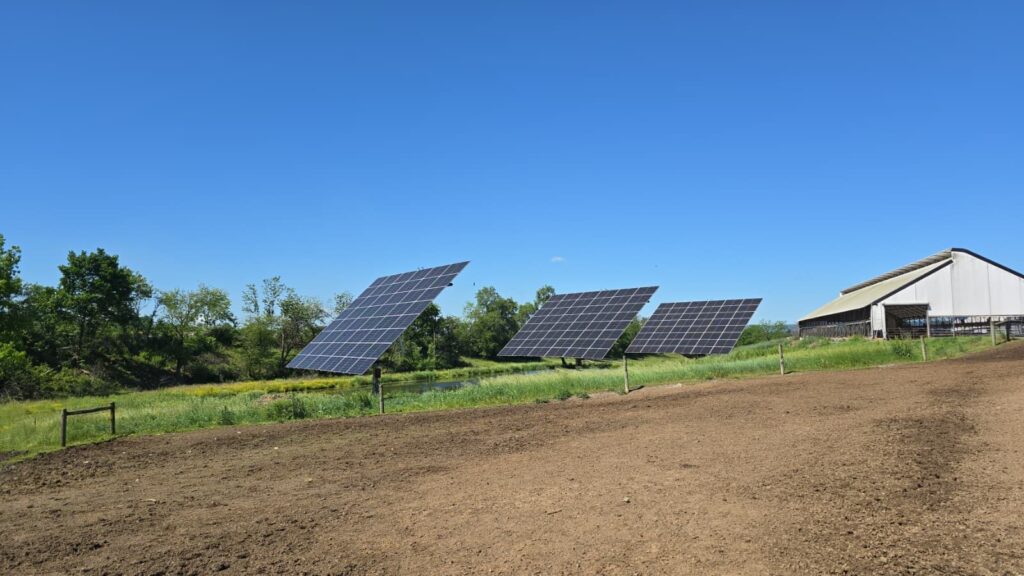
- Dual-axis solar trackers: technically a ground mount, but a category of their own. Each array sits on a single pole and follows the sun across the sky and through the seasons.
- Plug-in solar: a small system for smaller loads or getting started.
- Battery storage: backup power during outages, added with a new system or later.
Roof and ground mounts cost differently. Ground racking costs more, but it can produce more per panel and often uses simpler inverter equipment. That's why we compare options by what you pay for the energy produced, not just price per watt. See price per watt vs. price per kWh. We'll price the options that make sense for your property.
How the Install Works
- Site visit and design. We look at your roof or ground, your electrical panel and your recent electric bills, then give you a proposal.
- Permits and utility application. We handle the permits and file the interconnection application with your utility.
- Installation. Our own crew installs the racking, panels and wiring.
- Inspection and permission to operate. After inspection, the utility approves the system before it's turned on. From signing to turning the system on, permits and utility approvals often take a few months.
See the step-by-step guides for residential installation and commercial installation. Once you're running, net metering credits the extra power you send to the grid.
Why Not Do It Yourself?
Safety. Solar panels produce electricity whenever the sun is out, so wiring them is not a weekend project. Mistakes can put you and your property at risk.
Permits and the utility. Your township and utility require permits, inspections and an approved interconnection before the system can be turned on. Some incentives also have their own installation requirements.
Warranties. Some equipment warranties require a qualified installer, so a DIY install could leave you without coverage.
Backed After the Install
Every system we install is backed by our 10-year workmanship and labor warranty, on top of the manufacturer warranties on the equipment. Many equipment makers also offer extended manufacturer warranties, and optional third-party warranties are available for extra coverage. We also service and repair existing systems, including ones we didn't install.
Ready to see what fits your property? Request a solar assessment or call us at 877-345-2470.

Have Questions? Call us at 877-345-2470
We want to ensure you are well-informed about our product line and how it can save you money on your monthly energy bills.