
What to Expect After Installing Solar Panels: A Month-by-Month Look at Your First Year
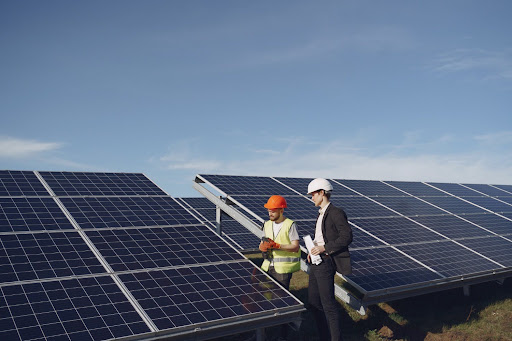
After installing solar panels, you can expect a short wait for utility approval before the system is switched on, higher production in summer and lower production in winter, and bills that build and use credits under Pennsylvania’s net metering rules. Most of the first year is spent comparing your monitoring data against the production estimate in your proposal, keeping in mind that the estimate is a long-term average rather than a target for any single month.
The installation crew leaves, the panels are on the roof, and then comes a stretch most homeowners don’t get a clear picture of ahead of time. The system may not be running yet. The first bill may not look like the savings you were quoted. And winter, in Pennsylvania, will look very different from July.
None of this means something is wrong. It’s what the first year with solar looks like, and knowing the sequence makes it much easier to tell normal variation from a real problem. Here’s what to expect after installing solar panels, in the order we walk our customers through it at Trifecta Solar.
Before The System Turns On: Inspection And Utility Approval
Installation finishing is not the same as the system going live. After installation, required local inspections must be completed, and our team submits the interconnection application to the utility. Once the system has been inspected and the utility grants Permission to Operate (PTO), the system can be activated and connected to the grid.
The timing varies by municipality, inspection availability, and utility requirements. The overall residential process, from contract signing to the utility’s permission to operate, generally takes about 4 to 8 months, and utility interconnection approval is usually the longest step.
At Trifecta Solar, we handle permitting and interconnection paperwork as part of the project, so you aren’t chasing forms between offices. Once approval arrives, we activate the system and walk you through the monitoring.
What to expect after installing solar panels, month by month
| When | What’s typically happening | What to do |
| Activation | System switches on; monitoring goes live | Log into the monitoring app and confirm it shows production |
| First 1–2 billing cycles | Bills reflect part-month production; your utility may still be adjusting your account for solar | Save every bill; compare against your pre-solar bills |
| Spring–summer | Longest days, highest production for most Pennsylvania homes | Note peak output; compare with your proposal’s monthly estimates |
| Fall | Production tapers as days shorten | Check that trees haven’t grown into new shade |
| Winter | Lowest production; snow can temporarily cover panels | Expect higher utility usage and lower output at the same time |
| Around month 12 | You now have a full seasonal cycle of data | Compare annual production with estimates and use Trifecta’s free one-year efficiency inspection to review performance. |
How Your Bills Will Change
Your bill won’t necessarily drop to zero, and it won’t drop evenly. In Pennsylvania, net metering rules are set statewide, so every utility credits the excess power you send to the grid the same basic way: at full retail value, carried forward from month to month through the end of May, with a payout for leftover credits and a fresh start in June. Many homeowners produce more than they use in summer and less than they use in winter, so credits built up in the sunny months help offset the darker ones. What does differ from one utility to the next is how the bill is laid out and which rate options, such as time-of-use, are offered. Our Net Metering & Your Bill page walks through how it works line by line.
Two things commonly confuse first-time solar owners. First, you may still owe fixed charges from your utility even in a month when your production covers your usage. Second, the first bill after activation can cover a period when the system ran for only part of the cycle. Judge the results across a full year rather than a single month.
Reading Your Monitoring Data
Your monitoring app shows production over time, and it’s the best tool you have for the first year. Instead of watching daily totals, look at these:
- Monthly production against your proposal’s estimate. Individual months will vary with the weather, but the pattern across seasons should resemble what you were shown.
- Sudden drops on clear days. A day-to-day dip on a cloudy day is expected. A steep drop on a bright day, or output that stays at zero, is worth a call.
- Gradual seasonal shifts. Output falling in late fall is normal. Output that seems low compared to the same weather conditions may point to new shading, such as a tree that has grown or a new structure nearby.
Keep in mind that the production estimate in your proposal is a long-term average, not a monthly target. Production naturally rises and falls month to month, season to season, and year to year with the weather, so a cloudy August or an unusually sunny spring can land well below or above its estimate, and a whole year can do the same. Panels also lose a small amount of output each year as they age, typically about half a percent a year for modern panels, so production slowly trends down over the life of the system. A month that comes in at 90 to 99 percent of the estimate is completely normal and isn’t a reason to call. Do reach out if production drops to zero, the app shows an error, or output falls well below what you’d expect for similar weather, and our service and repair team will take a look.
Pennsylvania Winter: Snow And Short Days
Winter is when most homeowners get nervous. Shorter days and low sun angles reduce production, and snow can cover the panels for a time. In many cases, snow slides off or melts once the sun hits the array, but how quickly depends on the tilt, temperature, and how much accumulates. Please don’t go up on the roof or use tools to clear panels. That’s a fall risk and can damage the equipment. If snow has covered the system for an extended period and you have concerns, contact us.
Winter output is also a reason to judge the system by its annual total, not January alone.
What Maintenance Really Looks Like In Year One
Solar panels don’t have many moving parts, so routine care is generally limited. Homeowners can monitor system performance through their online monitoring platform, watch for new shading from trees, and look for visible damage after severe weather. If production drops unexpectedly or you notice damage, contact your solar installer rather than attempting repairs yourself.
Our residential systems include free online monitoring for the life of the array and a free one-year efficiency inspection. These services can help homeowners keep track of system performance and identify potential issues after installation.
Making The Year Useful
The first year gives you something you didn’t have before: a full record of how your home produces and uses power. Under Pennsylvania net metering on a standard rate, the power you send to the grid during the day comes back to you as full-value credits, so there’s no need to rearrange laundry or dishwashing around the sun. Use the year to learn your seasonal pattern and see how your credits build in summer and carry you through winter.
If you’re still deciding on a system, our residential solar page explains how we design around your roof and usage, and you can request a solar assessment to see what a system for your home might produce.
FAQ
What if my system produces less than the estimate?
First compare a full season, not a week, since weather varies. A single month or even a whole year below the estimate can be normal. If production is consistently below the estimate under similar conditions, we can look at the monitoring data for causes such as shading, inverter issues, or connectivity gaps.
Why is my first bill after installation still high?
The bill may cover days before the system was activated, and utility accounts sometimes take a cycle or two to reflect solar credits. Fixed utility charges can also remain. If the bills still don’t make sense after a couple of cycles, send them to us and to your utility for review.
Do I need to clear snow off my panels?
We don’t recommend climbing onto the roof or using tools on the panels. Snow typically clears on its own as temperatures rise, and clearing it yourself risks injury and equipment damage. Ask us if you’re unsure.
What happens to monitoring if my Wi-Fi changes?
Many systems report through your home internet connection, so a new router or password can interrupt the data. Your solar system usually keeps producing power, but the app may show gaps until the connection is restored. If that happens, contact us and we’ll help you get it reconnected.