
How Solar Panels Attach to Shingle, Metal, and Tile Roofs (and What Each Means for Your Roof)
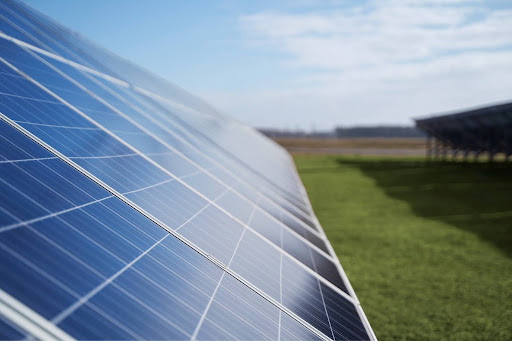
Solar panel mounting on shingle, metal, and tile roofs works differently for each material. On asphalt shingles, mounts are fastened through the shingles into the roof framing and sealed, often with a sealed foot such as the IronRidge HUG. On the standard exposed-fastener metal panel roofs common in our area, mounts attach to the raised rib or the purlins underneath with a sealed foot, and standing-seam metal roofs can often use clamps that grip the seams without drilling. Tile roofs typically need special hooks or replacement tiles. Shingle and metal are usually the simplest to install on, but the best roof is one in good condition with years of life left.
Homeowners often ask which roof is best for solar, but the more useful question is what actually happens to your roof when panels go on. Every system has to be physically attached to the roof structure, and how that’s done depends on the material you have. That affects installation time, the number of penetrations in your roof, the repair risk, and what you’ll want to ask before signing.
Here’s how each material works in practice, based on how we approach it at Trifecta Solar.
Asphalt Shingle Roofs
Asphalt shingles are the most common roofing material on homes, and mounting hardware for them is widely available. The installer locates the rafters, fastens each mounting foot through the shingles into the framing below, and seals the attachment point so water can’t get in around the fastener. We use sealed mounts such as the IronRidge HUG foot, which seals right over the shingle, so the shingles don’t have to be pried up.
Shingle installs used to rely on metal flashing that was slid up under the shingles around each mount, but the industry has moved on to modern self-sealing mounting feet. These can be installed at a rafter or anywhere on the roof surface, with additional screws into the roof deck when a foot is anchored between rafters. A layer of butyl rubber comes pre-installed on the bottom of each foot and seals the mount effectively, and we back every roof penetration with our 10-year workmanship warranty. You can see how this fits into the full install on our roof-mounted solar panels page.
The steps generally run in this order:
- Mark the layout. The installer marks each mount position, locating rafters where the foot will anchor into framing and planning extra screws into the deck where a foot sits between rafters.
- Set the sealed foot. The mount is placed over the shingle at each marked spot, and its built-in seal covers the area around the fastener, so there’s no need to lift shingles or slide flashing under the course above.
- Fasten the foot. As the screws are driven, the butyl layer compresses against the shingle and seals around each fastener, and then the rails and panels are attached on top.
What to know:
- Every mount is a hole in the roof that’s sealed, so workmanship at each attachment point matters as much as the hardware.
- Shingles that are brittle from age can crack when they’re walked on and worked around, so an older roof can add repair work.
- A good seal comes from the right foot, a solid attachment, and careful installation working together, not from any single part.
- If your home has more than one layer of shingles, ask how that affects the mounting depth and screw length.
For most homeowners, solar panel mounting on shingle roofs comes down to two questions: how many attachment points the layout needs, and whether the roof has enough life left to justify them.
Metal Roofs
Most metal roofs in Central and Eastern PA are standard exposed-fastener panel roofs, the ribbed or corrugated kind held down with screws through the panel, and we install on them all the time. On these roofs, we attach to either the raised rib or the purlins underneath, always with a sealed foot made for metal roofing, so each attachment is fastened into solid structure and sealed against water.
What to know:
- The mount has to match your panel’s rib profile and spacing, so the roof’s profile matters when we design the layout.
- Some mounts and roof coatings need to be checked against the roof’s warranty. Confirm before installation that mounting won’t void it.
- Standing-seam metal roofs, which have raised seams between the panels and no visible screws, are less common here. When we do see one, we can often clamp to the seams so the roof doesn’t have to be drilled at all.
Tile Roofs (Concrete And Clay)
Tile is more delicate than shingle or metal, and it takes more care. Tiles can crack under foot traffic or when mounts are installed, so installers use one of a few approaches: mounting hooks that sit under or between tiles, or swapping certain tiles for flashed mounts.
What to know:
- Spare or replacement tiles matter, because the exact tile may not be available if some break. Ask whether your installer will source matching tiles before work begins.
- Work on a tile roof usually takes longer and needs more experience, which can affect the cost.
- Confirm that the structure can support the combined weight of the tile and the panels.
Other Roof Types
Wood shake and flat roofs can both be candidates, but each has its own considerations. Shake roofs raise fire and durability questions. Flat roofs often use ballasted or tilted racks and have their own waterproofing needs. We evaluate these individually, and a photo and roof details usually tell us more than the material name alone.
Why Roof Age Matters As Much As The Material
Whatever your roof is made of, it needs to last as long as the system does. Panels typically carry 25 to 30 year performance warranties, while roofing materials vary widely in how long they last. Asphalt shingles commonly last for a couple of decades depending on the product and climate, and metal and tile can last longer. If your roof is likely to need replacement before the panels are done producing, you’d pay to remove and reinstall the array. Ask us to compare your roof’s remaining life against the system’s expected years in service.
What To Ask An Installer About Your Roof
- How will the panels attach to my roof material, and how many penetrations will that create?
- What sealing method do you use at each mount, and who covers leaks at the attachment points?
- Will the mounting method affect my roof or shingle manufacturer’s warranty?
- Who is responsible if a tile or shingle is damaged during installation?
- Do you offer a workmanship warranty on the roof penetrations, and for how long?
At Trifecta Solar, our 10-year workmanship warranty includes every roof penetration we make, so if a leak ever shows up at one of our mounts, we come back and fix it. You can read the full details on our solar warranty page.
If you already have panels and suspect a leak or loose mount, our service and repair team can inspect and reseal the attachments, even on systems we didn’t install.
Solar panel mounting on shingle, metal, and tile roofs looks different for each home, so the surest way to know what applies to yours is a site evaluation. Contact us to have your roof looked at, see how our roof-mounted solar panels are installed, and read the residential solar installation steps to see what happens after the roof is assessed.
FAQ
Will solar mounts void my roof warranty?
They can if the mounting method isn’t approved by the roof’s manufacturer. Ask your installer and your roofer or manufacturer before work begins, and get the answer in writing.
Is it harder to remove panels from a tile roof than a shingle roof?
Often, yes, because tile is more delicate and the mounts are more specialized. Ask about removal and reinstallation costs up front if your roof will need work during the panels’ life.
Does a metal roof always mean no roof holes?
No. Most metal roofs in our area are exposed-fastener panel roofs, and on those we fasten to the rib or the purlins with sealed feet. Standing-seam roofs can often use seam clamps with no drilling.
What if my roof material isn’t listed here?
Send us photos and the approximate age of the roof. Materials like shake and flat roofs need an individual review, and we can tell you whether solar is a good fit before you invest in a full design.